

Railways Remove Kumbh Mela Ads to Control Crowd Surge
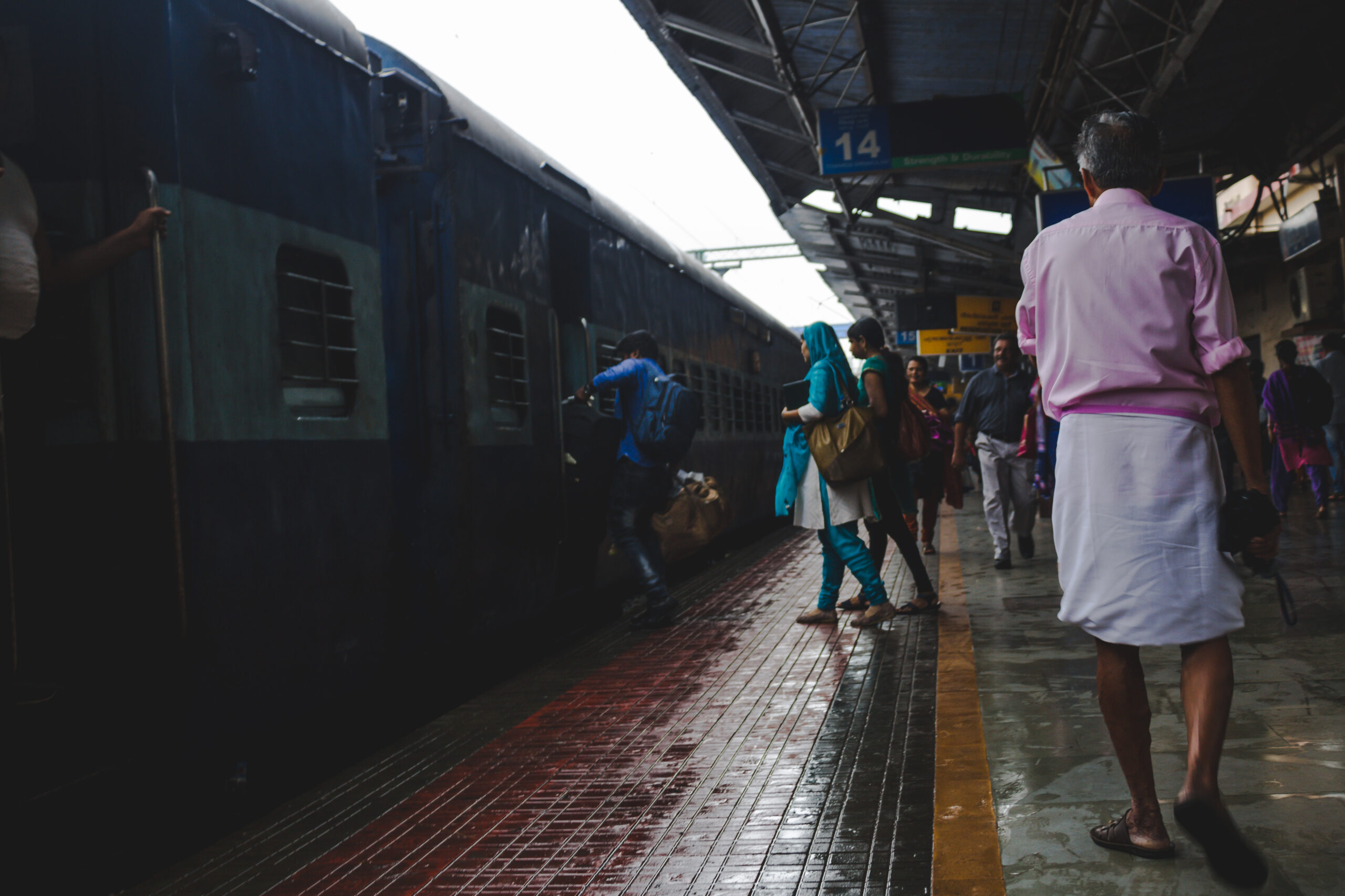
Authorities have reported that the influx of pilgrims at the Kumbh Mela continues to increase. Railway Minister Ashwini Vaishnaw has announced that approximately 60 stations, which experience high volumes of visitors, have been identified. Permanent holding areas will be constructed at these stations to effectively manage the additional rush of passengers.
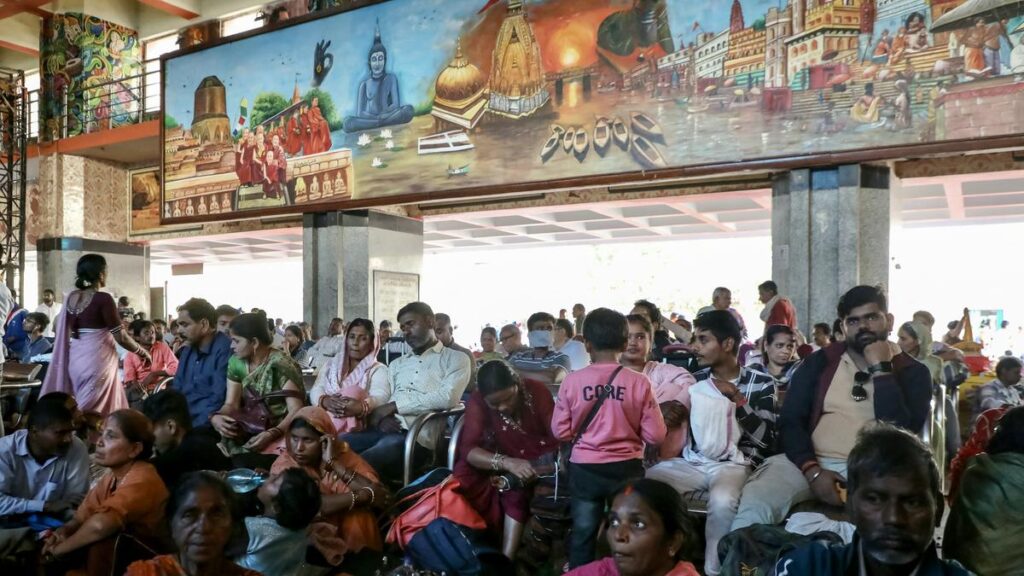
The railway authorities are considering the removal of promotional advertisements and materials at railway stations, particularly at the New Delhi Railway Station (NDLS), that could potentially encourage passengers to attend the Kumbh Mela.
Two days after the tragic stampede at NDLS, which resulted in the loss of 15 lives and injuries to 18 others, sources within the Railways have indicated that the influx of Kumbh devotees is unprecedented and shows no signs of abating as previously anticipated. Since the commencement of the Mela, a staggering 2.9 crore passengers have been transported to Kumbh via trains. Even on February 16, a day following the stampede, 18.48 lakh passengers were conveyed to Kumbh through 388 trains. By 6 p.m. on Monday, an additional 14 lakh passengers had been transported via 266 trains. The surge of Kumbh pilgrims is expected to continue until February 26, according to officials.
Railway Minister Ashwini Vaishnaw informed that approximately 60 railway stations, including NDLS, throughout India that experience heavy footfall have been identified. Permanent holding areas will be constructed at these stations to manage the increased influx of passengers. “The majority of Kumbh Mela attendees travel from within a 300 km radius of Prayagraj. Stations such as New Delhi, Patna, Aara, Danapur, and Buxar, where crowds tend to accumulate, have been selected,” stated Mr. Vaishnaw. He added, “Feedback will be gathered from passengers, porters, and vendors as part of an ongoing effort to implement measures to alleviate congestion.”
Mr. Vaishnaw clarified that the stampede occurred at 8:49 p.m. when a group of 20 to 25 passengers, some of whom were carrying heavy loads on their heads, began walking from Platform 14 (where the Prayagraj Express was scheduled to arrive) to Platform 12 in anticipation of catching the newly announced Prayagraj Special train. Both trains were expected to arrive almost simultaneously.
Two days after the tragic stampede at the NDLS, which resulted in the loss of 15 lives and left 18 others injured, sources within the Railways have indicated that the influx of Kumbh devotees is unprecedented and shows no signs of abating, contrary to earlier expectations.
Since the commencement of the Mela, up to 2.9 crore passengers have been transported to Kumbh via trains. Even on February 16, a day following the stampede, 18.48 lakh passengers were transported to Kumbh in 388 trains. By 6 p.m. on Monday, an additional 14 lakh passengers had been transported in 266 trains. The surge of passengers heading to Kumbh is expected to continue until February 26, according to officials.
Railway Minister Ashwini Vaishnaw informed that approximately 60 railway stations, including NDLS, have been identified across India as locations that experience heavy foot traffic. Permanent holding areas will be constructed at these stations to manage the increased rush. Stations such as New Delhi, Patna, Aara, Danapur, and Buxar, which witness significant crowds, have been selected for this purpose. Mr. Vaishnaw emphasized the importance of gathering feedback from passengers, porters, and vendors to effectively implement decongestion measures.
Regarding the timing of the stampede, Mr. Vaishnaw clarified that it occurred at 8:49 p.m. when a group of 20 to 25 passengers, some of whom were carrying heavy loads on their heads, were moving from Platform 14 to Platform 12 in anticipation of catching the Prayagraj Special train. Both trains were scheduled to arrive around the same time.
To accommodate the increasing number of passengers, the Railways is operating more special trains during peak ticket sales periods. Officials noted that they are unable to limit the sale of unreserved tickets if passengers wish to travel, as they cannot be.